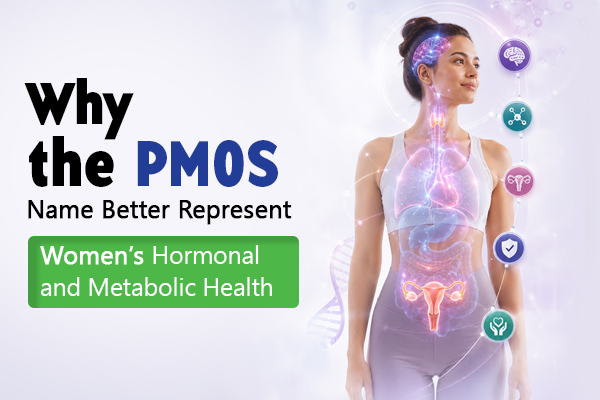
Polycystic Ovary Syndrome (PCOS) has been a topic of conversation for years among women all over the world. However, although it is widely known, the name itself has seldom been able to fully describe the complexity of the condition. Now, several experts and researchers believe it should be called a more accurate, inclusive term: Polyendocrine Metabolic Ovarian Syndrome (PMOS). This is more than just a term of change. It’s a deeper understanding of the condition and it’s a reflection of the big picture of the hormonal and metabolic troubles that afflict millions of women.
Moving Beyond “Cysts”
Most of the problems with PCOS lie on the fact that it focuses too much on the presence of cysts in the ovary. In fact, not all women who are diagnosed with the condition have cysts in their ovaries, and having cysts doesn’t necessarily mean the woman has the disorder.
A confusion among patients has been created by the word “polycystic”. Many women think that this is caused by ovarian cysts, and other women who don’t have cysts may wonder about their diagnosis. This misunderstanding can lead to loss of awareness of real health risks, and a delay in treatment.
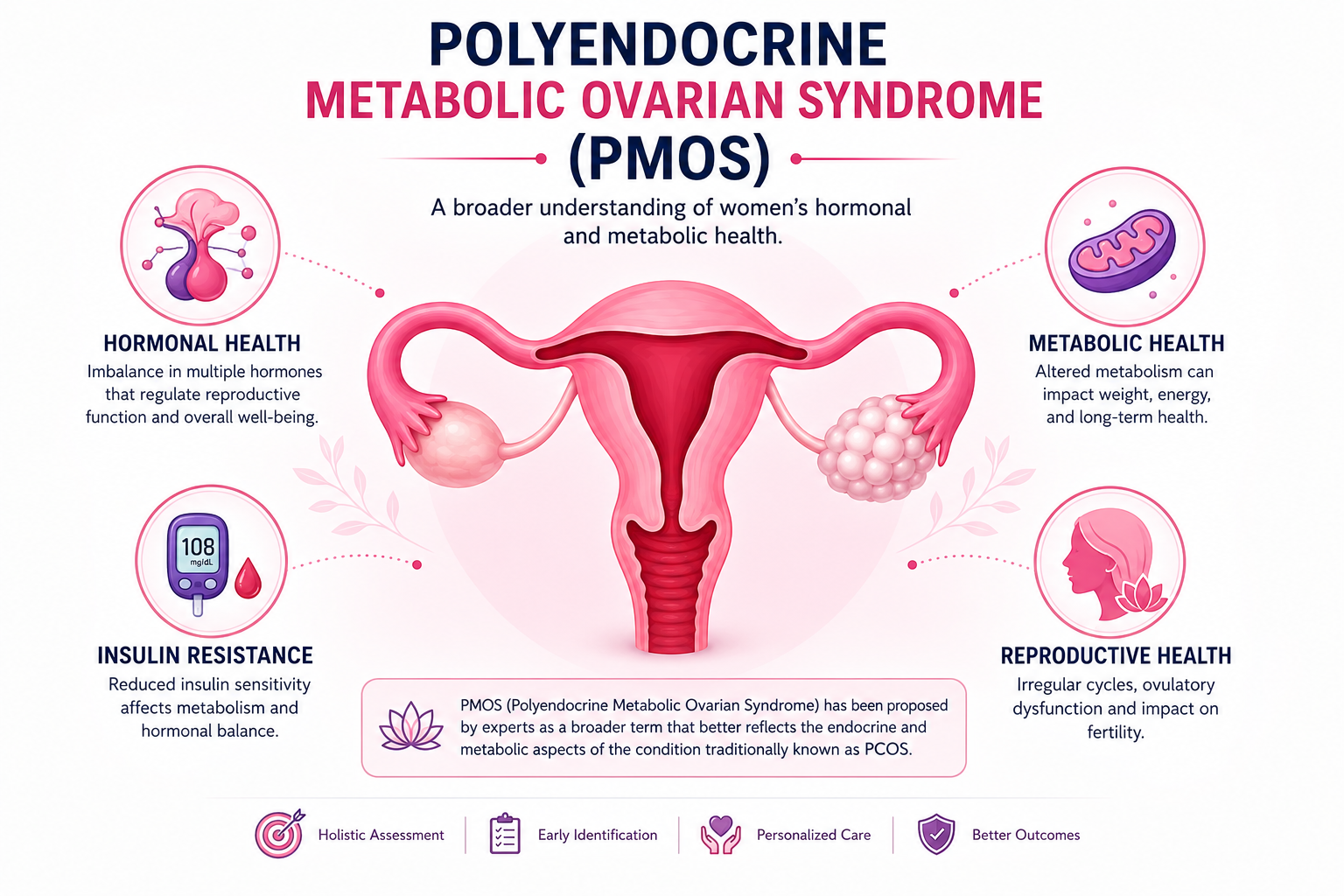
The term PMOS provides a more general and medical view. It sees that the disease isn’t just affecting the ovaries but is affecting several hormonal systems and metabolic functions throughout the body.
Understanding the Meaning of PMOS
Polyendocrine Metabolic Ovarian Syndrome highlights three key aspects of the condition:
Polyendocrine means multiple hormones producing glands and hormonal pathways are involved.
Metabolic highlights the great correlation between this condition and metabolic health problems like insulin resistance, being overweight, and having a higher threat of diabetes.
Ovarian Syndrome recognizes the reproductive and ovarian issues that many women suffer from.
The expanded terminology allows for a better understanding of why women with the condition might have much more than irregular periods or fertility issues.
PMOS Is More Than a Reproductive Disorder
PCOS has been seen primarily as a gynecological disorder traditionally. But as more studies are conducted, it’s being discovered to impact a number of systems in the body such as metabolic, endocrine, cardiovascular and psychological health.
Women who have PMOS may have:
Hormonal imbalances
Insulin resistance
Gaining weight or weight gain problems
Acne and excess facial hair
Irregular menstrual cycles
Fertility challenges
Fatigue and inflammation
Rise in the likelihood of developing diabetes type 2.
Elevated cardiovascular risk
The term “metabolic” is used, as this condition is a health challenge not just about fertility and reproductive wellness.
Why the Name Change Matters
Your medical name influences how you and your healthcare provider think about your condition and the way you’re treated for it. PCOS to PMOS can facilitate improved awareness, earlier diagnosis, and better management.
1. Better Awareness for Women
Increase women awareness. It takes years for many women to get the correct diagnosis. Some only go to the doctor when they have irregular periods, others when they have symptoms such as weight gain or insulin-resistance but not necessarily knowing that there may be a connection. The term PMOS (polyps and/or masses in the ovary) helps women to understand that the condition is not only an ovarian one but a hormone and metabolic imbalance disease of the entire body.
2. Improved Clinical Understanding
There is increasing awareness among healthcare providers of the importance of treating beyond just reproductive symptoms. It is also crucial to control insulin resistance, inflammation, stress factors, and nutrition. New terminology enables a more comprehensive approach to care.
3. Reduced Misconceptions
There has been a lot of confusion and anxiety regarding the word cysts. Some women think that they need surgery or that all cysts are harmful. The PMOS term is eliminating this confinement and fostering a more accurate comprehension of the condition.
The Strong Link Between Hormones and Metabolism
Hormones and metabolism have a close relationship. The increasing recognition of metabolic dysfunction in a woman’s hormonal health is one of the primary drivers to transition to PMOS. One of the core factors linked to insulin resistance is the development of insulin resistance.
One of the key factors linked to insulin resistance is the development of insulin resistance. As the body becomes less responsive to insulin, blood sugar is harder to manage, and this may cause an increase in androgen production and imbalance.
This is the reason why many women with PMOS experience
Increased abdominal fat
Sugar cravings
Low energy levels
Difficulty losing weight
An increased risk for metabolic syndrome
A metabolic component will be identified, and a more general approach, such as recommended supplementation, exercise, balanced nutrition and stress management can be recommended.
A more holistic approach to women’s wellness
The transition toward PMOS also reflects a wider shift in women’s healthcare. Modern wellness approaches are increasingly focused on root causes instead of isolated symptoms.
Rather than treating menstrual irregularities alone, healthcare providers are now looking at:
Hormonal balance
Gut health
Metabolic function
Nutritional deficiencies
Inflammation
Lifestyle habits
This comprehensive approach promotes overall well-being and aids in managing symptoms and preventing future health issues.
Looking Ahead
While it is more commonly used today, PMOS is an important step in the evolution of medical knowledge and understanding. The new terminology will help to promote conversation about women’s health and the multi-hormonal and multi-metabolic nature of the condition.
This is a new name for millions of women around the world. It validates their experiences, deepens awareness and uncovers the significance of holistic care that treats both hormonal and metabolic health.
With increased awareness and education, PMOS can continue to change the way women, healthcare providers and the wellness community think about one of the most prevalent and misdiagnosed hormonal disorders today.
References:
1.Braetha Health Braetha Health. (2026b, May 22). PCOS to PMOS: What the renaming means for patients – Braetha Health. Braetha Health – Trusted Care for Every Chapter. https://braetha.com/pcos-to-pmos-what-the-renaming-means-for-patients/
2.Plante, B., MD, & Plante, B., MD. (2026b, May 21). PCOS is now PMOS: Why the name change matters for women’s health and fertility. Fertility Centers of New England. https://www.fertilitycenter.com/fertility_cares_blog/pcos-is-now-pmos-why-the-name-change-matters-for-womens-health-and-fertility/
3.Hormone Health. (2026b, June 2). PCOS to PMOS: Understanding the name change and what it means for women’s health. https://hormonehealth.co.uk/pcos-to-pmos-understanding-the-name-change-and-what-it-means-for-womens-health